Need sewer line repair in Philadelphia?
Tell us what you are noticing at home. Request a callback to check provider availability, or request an estimate and take your time deciding.
No obligationSeptic Tank Pumping & Repair Help in the Philadelphia area
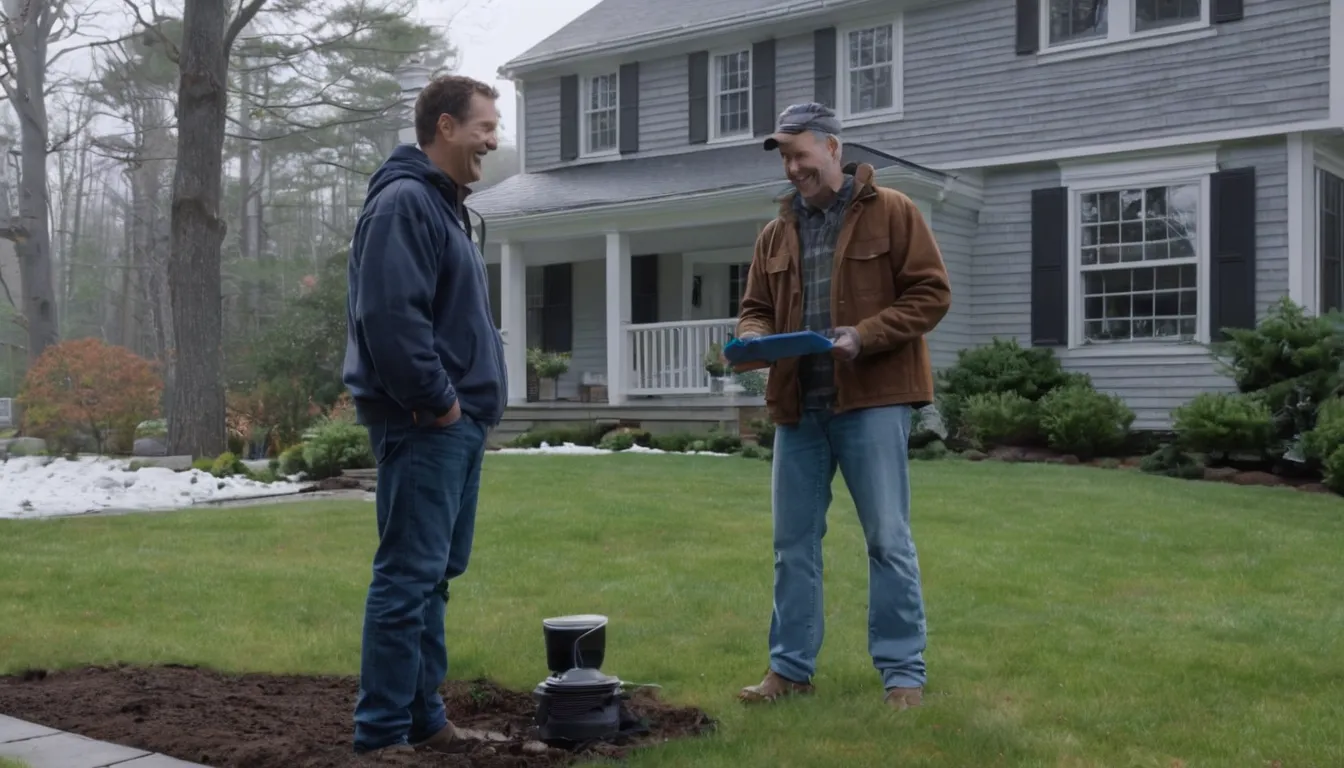
A sewer line carries everything from your home out to the street or to your septic system. When it cracks, clogs or sinks, you notice quickly. Drains slow down, odors creep up from the basement, or a patch of the yard turns soggy. It is stressful, but it is a common problem, especially in older homes with pipes that have worked for decades.
Brothercharlie Septic is a referral service. It does not do the repair itself. It points you toward independent providers in the Philadelphia area who can inspect the line, explain your options and give you a written quote. Winter frost, spring snowmelt and heavy storms all affect the pipe and the timing, so a good provider will talk through the season with you. You compare, ask questions and decide when you are ready.
Take a slow breath. A backup feels awful, but there is a calm order to follow, and plenty of homeowners have been right where you are.
Request a callback to check provider availability. Many providers can respond quickly to an active backup, though hours vary.
One slow sink is usually a small clog inside the house. If the tub gurgles when the toilet flushes, or a basement floor drain backs up during laundry, the main line is the likelier cause. A provider can tell the difference with a camera, so you do not have to guess.
Cold, snowy winters make the ground work hard. Frost pushes soil upward, and repeated cycles of frost and thaw can shift a pipe or pull a joint apart. Older lines tend to show it first. Frozen ground also slows digging, so a provider may suggest a temporary fix or a trenchless method now and a bigger repair once the soil softens. Urgent backups still get handled. The method is what changes.
Melting snow and heavy rain raise the groundwater. Water seeps into cracked pipes and loose joints, and the extra flow can overload an aging line. If your basement drain only backs up during wet weeks, tell the provider. That pattern often points to leaks or roots rather than a simple clog. Fall is a calm time for a camera check, before the ground hardens again.
Tree roots are the usual suspect. They slip into tiny cracks and grow into thick mats. Age matters too. Older housing stock often has clay, cast iron or fiber pipe that cracks, rusts or collapses. Grease, wipes and sagging sections add trouble. In Cape Cod style homes and houses with full basements, the line may run deep. Where it passes through a stone or block foundation, the pipe can shift or crack.
Usually a small camera goes into the line through a cleanout. The provider watches the pipe live, spots the break or blockage, and marks the spot above ground with a locator. Ask to see the footage. It makes comparing estimates much easier.
Not every problem needs a big trench. Ask the provider why they picked their method.
This suits one cracked or offset section. The dig is smaller, and so is the job.
A new pipe is formed inside the old one or pulled through it. You get less digging, which helps lawns, driveways and mature trees. It does not suit every pipe, since badly collapsed sections may still need a trench.
This makes sense when the pipe is worn along its whole length. It is more work up front, but it can settle the question for years.
Part of your line may run under the street or belong to the town. Many areas require a permit and an inspection for repairs. Providers often handle the paperwork, but ask who is responsible. Utility marking is usually requested before any digging starts.
Some policies may cover sudden damage, so check your policy. Providers can often help document damage for a claim.
Ask before you commit. Then compare at least two written quotes. Look at the scope of work, not just the total.
Requesting an estimate carries no obligation. Take your time.
Ask what is included once the pipe is done: backfill, grass seed, sod, or patching a walkway. Soil can settle over a few weeks, so a follow-up visit is reasonable to ask about. If the work ends late in the year, a plan for spring planting is common.
A backup may come from a septic tank instead of a street sewer. Septic tank pumping, emergency septic cleaning and drainfield repair are different jobs with their own pages. If sewage reached the ground near a private well, ask a provider about water well service and testing.
A small camera travels through the pipe so the provider can see cracks, roots and blockages.
Fixing one damaged section when the rest of the pipe is sound.
Lining or pipe bursting can reduce digging, where the pipe condition allows it.
New pipe from the house to the connection point when the old one is failing throughout.
Prices vary a lot with depth, pipe material, access and local rules. These are typical U.S. ranges, so ask each provider for a written quote before work begins.
| Item | Typical range | Notes |
|---|---|---|
| Camera inspection | $100 – $500 | Often worth it before choosing a repair |
| Main line clearing | $150 – $700 | Roots and grease are common causes |
| Spot repair | $1,000 – $4,000 | Depends on depth and access |
| Trenchless lining | $4,000 – $12,000 | Less digging, not for every pipe |
| Full replacement | $3,000 – $20,000 | Length and yard conditions matter |
| Cleanout installation | $250 – $1,500 | Makes future checks easier |
Share the symptoms, your home type and any recent weather so the request fits your situation.
Brothercharlie Septic points you toward an independent provider in the Philadelphia area who handles sewer lines.
Review the camera findings, repair methods and written quotes without pressure.
Pick the provider you trust and agree on timing that suits the season.
Talk with providers in the network, ask questions, and weigh estimates at your own pace.
Providers can explain how frost, thaw and storms affect when and how work happens.
Requesting an estimate does not commit you to hiring anyone.
Independent providers know local soil, codes and older home layouts in your area.
Tell us what you are noticing at home. Request a callback to check provider availability, or request an estimate and take your time deciding.
No obligationCommon signs include several slow drains, gurgling, sewer smells, and soggy or sunken spots in the yard. A provider can confirm the cause with a camera inspection and show you the footage.
Spot repairs and lining often take a day or two. Full replacement can take several days. Depth, permits, frozen ground and weather all affect the schedule, so ask the provider for a realistic window.
Some policies may cover sudden damage, but wear, age and root growth are often excluded. Check your policy and ask your insurer. Providers can often help document damage for a claim.
Tell us what you are noticing at home. Request a callback to check provider availability, or request an estimate and take your time deciding.
No obligation